
Staking Keno: Trust, Controls, and Player Fit

If you’re sizing up staking keno as a way to keep your play measured rather than chasing every flutter on a busy night out, the first thing that matters is how the operator handles trust, support, and account controls. I’ve spent enough time around gaming operations to know that a slick lobby means little if the licence details are vague, the privacy terms are vague, and the responsible-play tools feel bolted on after the fact. From a commercial oversight angle, the operators that last are the ones who treat supplier strategy and player protection as the same conversation, not two separate departments. That’s the lens I’m bringing here: not a hype pass, but a practical read on where staking keno fits, what to check before you register, and which player-fit scenarios actually make sense for an Australian adult who wants a controlled session rather than a weekend spiral.
Where Trust and Account Controls Actually Matter
When I’m looking at a staking keno product from an operations perspective, I’m not starting with the graphics or the tick-box bonus. I’m starting with the licence, the security stack, and whether the support team can actually close a loop without making you repeat your story three times. A proper operator will make its licensing position clear up front, keep encryption and data handling visible in the privacy terms, and give you account controls that let you set deposit limits, session reminders, and a clean self-exclusion path without jumping through hoops. Support quality is where a lot of brands quietly fail, because a live chat that only handles password resets is not a support function, it’s a triage desk. I’ve seen supplier contracts where the game integration was smooth but the operator’s own account layer was patched together, and that’s the kind of mismatch that turns a decent product into a frustrating one. If you’re comparing staking keno options, treat the trust layer as the entry ticket, because the play itself is only as comfortable as the controls around it.
Player-Fit Scenarios That Make Sense
The first scenario is the measured session player who wants a fixed stake, a clear stop point, and a game that doesn’t demand constant attention. Staking keno suits that profile because the pace is steady, the outcome is transparent, and the account controls can be set before the first ticket goes through. The second scenario is the casual social player who logs in during an arvo break or after work and wants a low-friction way to play without rebuilding their whole routine around it. For that person, the registration flow, mobile layout, and quick support access matter more than any bonus mechanics, because the goal is a tidy session rather than a long campaign. The third scenario is the cautious newcomer who wants to understand the mechanics and the limits before committing, and for that player the responsible-play tools, privacy clarity, and a straightforward bonus structure are the real selling points. None of these scenarios need a hero narrative; they just need an operator that respects the boundaries the player sets.
How the Product Should Work in Practice
From a supplier strategy point of view, a credible staking keno setup should feel consistent across desktop and mobile, with the same stake ranges, the same ticket logic, and the same account settings on both. I’d expect the registration to be straightforward, the payments to handle common Australian currencies without making you guess at conversion, and the loyalty programme to reward steady play rather than nudging you toward larger stakes for the sake of it. Bonus mechanics need to be readable at a glance, with clear terms rather than buried conditions that only surface after you’ve already committed. There’s a bit of craps slang floating around the floor called the “Ballerina special”, which is a playful way of describing a hard-to-make number, and while keno doesn’t work like a dice table, the same kind of realistic expectation applies: some outcomes are rare, and the product should be honest about that instead of dressing it up. If you’re weighing how a platform handles its game layer, it’s worth reading a related breakdown on how to approach online keno on an Italian casino platform, because the comparison highlights how different markets shape the same core mechanics. That kind of cross-market read helps you spot whether a brand is actually thinking about player fit or just copying a template.
Support, Privacy, and Responsible-Play Tools
The part of staking keno that separates a decent operator from a forgettable one is the day-to-day support and the responsible-play setup, because those are the things you notice when something goes sideways or when you decide to slow down. Good support should be reachable, knowledgeable, and able to handle account questions, payment timing, and limit changes without passing you around like a rugby ball. Privacy should be plain about what data is collected, how it’s stored, and what happens if you request a change or a closure. Responsible-play tools need to be more than a footer link, because a deposit cap that you can’t adjust quickly, or a reality check that only appears after you’ve already overspent, isn’t much use. I’ve worked with teams where the commercial pressure was to push engagement, but the smarter call was to make the controls obvious and easy to use, because that’s what keeps the product sustainable. As Amelia Thompson, Independent iGaming Expert, Nullarbor Gaming Analytics, puts it, the operators that hold their shape over time are the ones that treat account controls as part of the product design, not a compliance afterthought. James Martin, Independent iGaming Expert, Brighton Beach Betting Lab, is similarly direct: if the look for it with us support team can’t explain your limits and your privacy settings in plain language, the rest of the lobby is mostly decoration.
If you’re ready to compare a provider that puts those controls front and centre, you can start at ripper bonus casino and check whether the registration, payments, and support details line up with what you actually want from a session. The right fit for staking keno is usually the one that lets you set your pace, understand the terms, and step back without friction, rather than the one that shouts the loudest about its lobby.ripper bonus casino
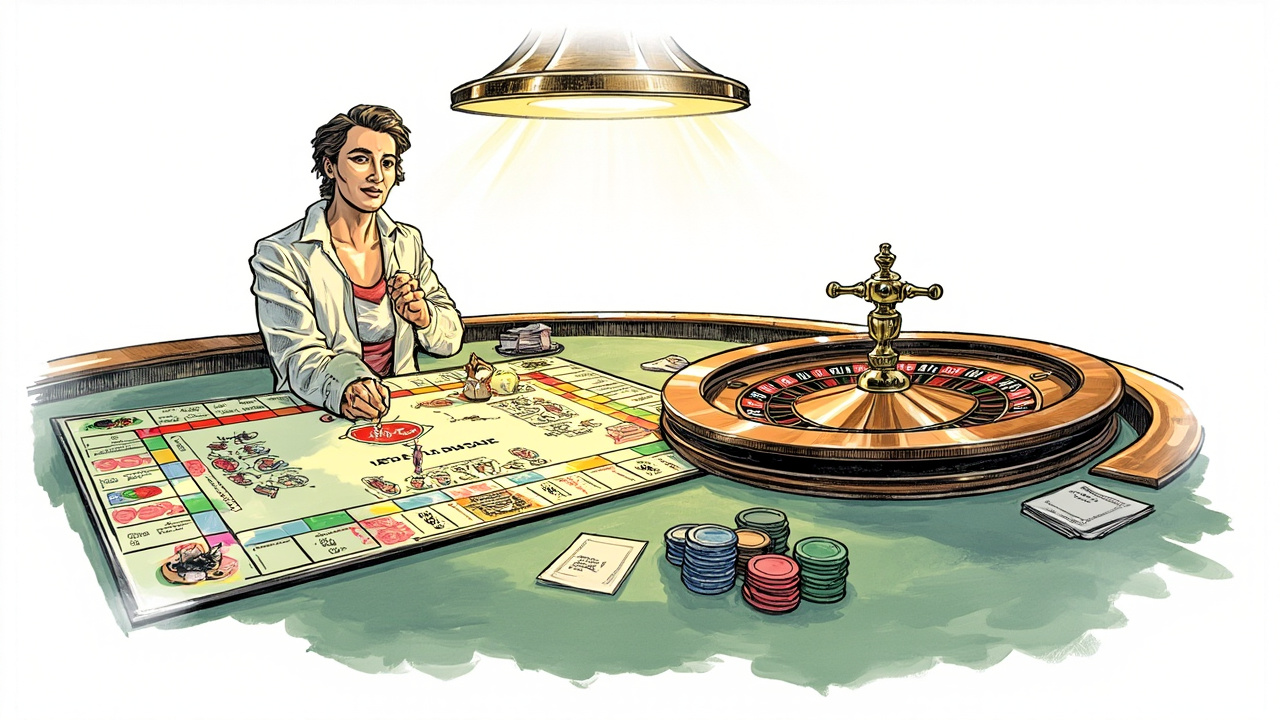
That mindset is especially useful when you want to compare house edges, payout tables, and session limits before committing any funds. For a clearer breakdown of how to read those numbers in practice, see keno payout breakdowns. Once you have that baseline, you can match each operator’s offering against your own comfort level and walk away from anything that feels rushed or opaque.